

Everyone wants a piece of the slop
AI Bible videos flood creator feeds, Etsy moves into ChatGPT, and Meta checks children’s bones.
In this week’s stories:
Christian creators now compete with $5 miracle reels, slopaganda drives AI app growth, and Etsy has moved into ChatGPT.
Hollywood wants rules against synthetic actors while celebrities invest in voice-cloning companies. Meta is analyzing kids’ faces for “safety reasons.”
Catch up in 5 minutes
It’s the Creators delivers quick and insightful updates on creators, their businesses, and the platforms they use.
To slop or not to slop, is it even a question?
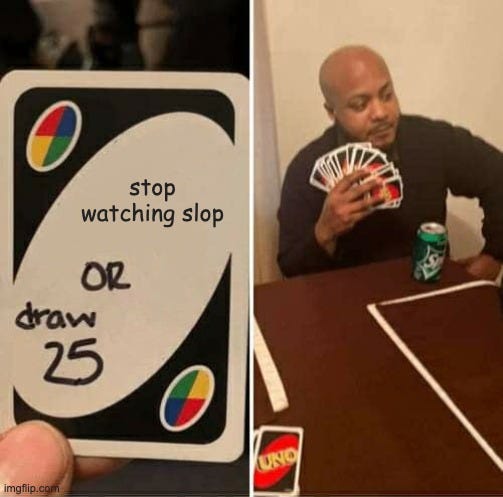
AI-generated Bible videos now flood YouTube, TikTok, and Fiverr. Buyers commission “miracles of Jesus” reels for $5, built from prompts, stock narration, and synthetic holy lighting. Christian creators who spent their time making original biblical content now compete with people on Fiverr selling it for a few bucks.
And the slop does not need to look real to work. BBC spoke to the person behind viral pro-Iran Lego AI videos, whose team has fewer than 10 people and uses Lego visuals because they read as a “world language.” Iranian and Russian state media accounts have shared clips of the videos to millions of followers, with AI propaganda from the war estimated in the hundreds of millions of views.
Speaking of slop, TechCrunch found image-generation model releases now drive more AI app installs and engagement than chatbot upgrades. It is the perfect feedback loop for AI companies: better image models create more users, more users create more slop, and more slop proves the product is working.
Spotify wants in as well, just with audio. The company launched a beta tool that lets users create AI-generated personal podcasts from tools like Codex, Claude Code, and OpenClaw, then import them into Spotify. The podcasts stay private for now, but soon you could be listening to someone’s AI-generated podcast and not even realize it’s AI.
Why search when you can chat
Etsy launched its app inside ChatGPT this week, which lets users browse listings without opening Etsy’s site. Etsy may no longer trust Google, Pinterest, or its own search bar to bring in enough traffic, so it has moved into OpenAI to seize on chatbot conversations.

Ask.com also shut down this week, 28 years after Ask Jeeves taught people to type questions into the internet. Search bars once felt revolutionary because they let users ask the web for what they wanted. Google turned that behavior into the front door of the internet. Now that door is moving again, from typing a query into a box to chatting with a machine that surfaces the answer, the product, and eventually the checkout button.
Hollywood bans the thing it funds
The Academy released new rules saying films with AI-generated actors or scripts will not qualify for Oscars. The exceptions include de-aging, dubbing, voice cleanup, animation assist, and creative tools, which covers a suspicious amount of the road to synthetic performance. Hollywood still has to protect the optics of “real acting,” even as the tools keep moving toward “what if the actor was optional?”
ElevenLabs, the AI voice startup, announced new investors including Jamie Foxx, Eva Longoria, and BlackRock. Celebrities definitely see the upside: license the voice, license the face, license the likeness, and get paid while not being there. That works for famous people with lawyers. It works less well for the voice actors and working performers now competing with synthetic versions of the thing they used to be hired to do.
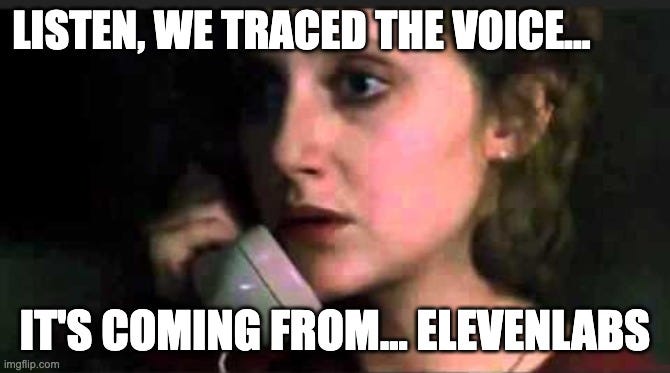
So where is the line? If a generated voice sounds like Jamie Foxx, does it count as more human than a generated voice from someone nobody recognizes?
Creators get the Cannes treatment
Cannes Lions is one of the biggest advertising events in the world, where brands, agencies, and marketers go to give awards, make deals, and convince each other their campaigns count as culture. For years, creators sat outside that world as “influencer talent” brands hired after the real strategy meeting. Now Cannes is expanding LIONS Creators for 2026 with more programming, more awards, and more brand-side attention.
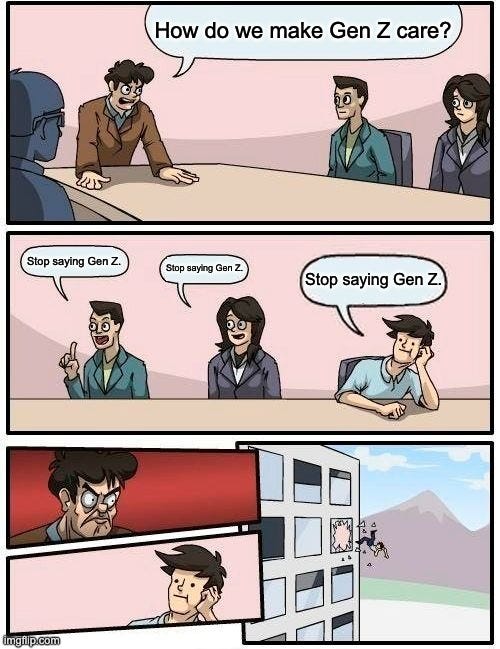
That matters because brands are desperate to reach Gen Z. Creators give them the things a polished campaign cannot fake as easily: social proof, inside jokes, IRL access, and a person people already chose to trust. Cannes giving creators a proper event means the ad industry is admitting they are not just a side channel for posts. They are the strategy, the distribution, and sometimes the only reason anyone cares about the campaign.
Xbox is also courting creators. Forza Horizon 6 staged a Tokyo creator event with attendees from 20-plus countries, turning a game launch into an influencer field trip. Brands do not just want creators to post anymore. They want creators to make the launch feel like something people had to be there for.
Meta strikes again
Meta will use AI to estimate whether users are underage by analyzing height and bone structure from photos. The company insists this is not facial recognition, even though it scans faces and bodies to make an age decision. EU regulators said Meta did not do enough on minor safety. Meta responded with a feature to scan teen faces.

The problem is that age verification tech doesn’t stay neatly inside “protect the children.” Alcohol brands are already using age-gating tools on TikTok to target younger audiences while staying technically compliant. So when Meta says it wants to estimate teen ages for safety, the obvious question is: safety for whom, and monetization when?
Happy mothers day!